
Holiday Scents: What's Safe, What's Not
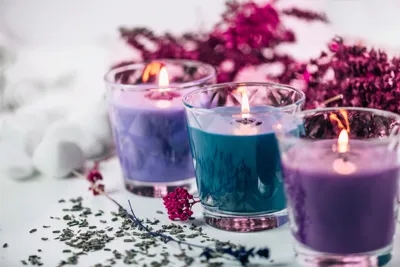
It’s holiday time and the ad campaigns have begun! I saw multiple ads promoting how important it is to keep your home filled with holiday scents like these candles. And I knew I had to get the word out about what is safe and unsafe when it comes to scents!
Quick Answer
- Holiday scents are everywhere, both inside homes and in public places
- Many scented products contain hidden chemicals
- Labels like “fragrance” don’t tell the full story
- Essential oils can be used safely when chosen and used correctly
Why Holiday Scents Deserve a Closer Look
Folks, we are exposed to these things ALL the time…. both inside the home and in public places. Scents have become so much a part of the background of our environment that we often don’t even realize they’re there. And although I must be the bearer of bad news about commercially scented products, I will also give you the good news about essential oils that can be used safely.
5 Facts About Scented Products
We’ll start with the bad news:
- Fragranced products, even those advertised as “Green”, can emit toxic chemicals which are not listed on their labels. Manufacturers are not required to disclose any ingredients in cleaning supplies, air fresheners and candles, laundry products or personal care products, such as deodorant and shampoo.
- Beware of the word “fragrance” on the label! A single fragrance can be a mixture of up to several hundred chemical ingredients.
- The fragrance industry is not regulated by any outside agency, such as the FDA or EPA. They self-regulate through a trade association called the International Fragrance Association. They are supposed to test ingredients for safety, but out of over 5,000 different chemical ingredients used in fragrance production, only about 1300 have been safety tested.
- Air fresheners and scented candles have been linked to cancer in animal studies. They emit Volatile Organic Compounds (VOCs) which have been linked to lung cancer and asthma.
- Many fragrance chemicals are hormone disruptors which have been linked to fertility problems, early puberty, PMS, low testosterone and extreme menopause symptoms.
5 Facts About Essential Oils
Now for the good news!
- Most essential oils are safe for topical use or diffused in the air, but few are appropriate for oral use. The oil bottle will state that it’s safe for oral use if that’s the case. Pregnant and nursing moms and young children should check with their health care practitioner for specific oils that are safe & effective.
- There are many great ways to use essential oils! You can rub a couple of drops in your hands, cup them over your nose and inhale. You can mix with a little carrier oil (like coconut or sesame oil) and rub on your body. Rubbing on the soles of your feet is a particularly potent way to use the oil. You can use a diffuser, which is a device that emits the oil into the air. If you don’t have a diffuser, you can put a few drops on a cotton ball and put in any area you want. You can add a few drops to your bath water, too.
- Popular oils for stress relief are lavender (which has been proven in studies to be as effective as Lorazepam/Ativan for stress when taken orally), orange (which in one Japanese study allowed patients to significantly reduce their dose of anti-depressant medication), rose, ylang-ylang, frankincense, bergamont, cedarwood, and grapefruit. Let your nose tell you which are best for you! Sniff each bottle at the health food store and you’ll find that you REALLY like certain ones. In my experience, this is the best indicator of which oils will help you.
- Popular oils for mental clarity are vetiver (particularly helpful for ADD symptoms), rosemary, sage or clary sage, basil, juniper berry, and peppermint.
- Popular oils for cold & flu relief are peppermint, oregano, eucalyptus, frankincense, tea tree, lemon and lavender. You can make a hot or cold compress with a washcloth and a couple of drops of oil. You can also use a few drops in a pot of hot water, drape a towel over your head to make a tent, and inhale the steam.
Conclusion
So, go ahead and enjoy the scents of the holidays, just do it the healthy way with essential oils!
a href="https://www.myvitalityproject.com/blog/what-are-the-warning-signs-of-inflammation.html">

What Are The Warning Signs of Inflammation?
Because inflammation is associated with conditions like heart attack, cancer, diabetes, arthritis and autoimmune conditions like MS, Lupus and Sjogren’s, it’s important to recognize these early warning signs. If these signs are only present for a few days, the inflammation is handling a more acute situation. But if they go on longer-term, it’s imperative to find out what’s causing this reaction in your body and handle it before it can develop into something more serious. Here are the signs to watch for.
Read More
Testosterone in Men and Women: Tips That Elevate Health
Testosterone is a vital hormone for both men and women. Like anything else in the human body, it’s important to have the quantity that you need – not too little AND not too much.
Read More
How Can Traditional Chinese Medicine Improve Your Health?
I often write about how important it is to sync with the rhythms of nature to maximize our health.As I write this, we’re moving into the season of Late Summer, which is a transition period between Summer and Autumn in Traditional Chinese Medicine (TCM). Understanding what’s happening with nature and your own body during this time enables you to take advantage of simple, free ways to support your health.
Read More
The Super Herb for Stress, Hormones, and Overall Health
In today’s world of constant bombardment with pollution, subpar food, and chronic stress, certain health problems have become widespread. Some of these issues include anxiety, difficulty sleeping, low testosterone or otherwise imbalanced hormones, diabetes, and the ever-tough belly fat. Thankfully, the super “herb for stress” may help support the body in managing these challenges. Not fun to be plagued by any of these!
Read More
How Long Does it Take to Heal Leaky Gut?
There are a few ways your gut lining can become leaky, and the more you minimize these, the faster you can heal.
Read More
How Nervous System Stress Impacts 15 Major Health Issues
Did you know that these 15 health issues have a common denominator? I’m talking about anxiety, restless leg syndrome, fibromyalgia, migraines, Alzheimer’s & dementia, insomnia, ADD & ADHD, brain fog, Parkinson’s, seizure disorders, panic attacks, chronic pain, and MS. They are each different manifestations of irritation or even damage to your body’s nervous system. The nervous system is your brain, spinal cord, and the nerves that run all over your body.
Read More
Holy Basil Benefits That Stop Inflammation
I’m constantly amazed at the incredible healing powers of herbs. Seldom do you see an herb that has only one or two healing properties – often it’s five or more! Today I want to talk about Holy Basil Benefits, which is known as the Queen of Herbs for good reason.
Read More
What Are the Best Foods for Gut Healing?
I’m sure you’ve heard that all disease begins in the gut, and there is a lot of truth to that statement. It’s also true that all gut healing begins in the gut! I want to help you to understand the basics of gut health and how you can use the power of foods to create and support a truly healthy gut and body.
Read More
Nature Deficit Disorder: Secrets That Boost Energy
Yesterday, I listened to a podcast which reaffirmed that often the answers to the complexities of modern health problems are found in the simplicity of nature. The subject was Nature Deficit Disorder, which is not an official medical diagnosis, but a buzzword growing in popularity. It describes one of the factors in the explosion of anxiety, depression, brain fog, and a lowering of immune function… a disconnection from nature.
Read More
The Art of Doing Nothing: How Relaxation Can Save Your Health
Isn’t it interesting how sometimes certain information will cross your path and you get the thought, “Is this trying to tell me something?”. Then when it happens repeatedly, I think it’s time to sit up and take notice! Here’s the message I got 3 times in the last week, and if we pay attention, it could literally save us from going down the road to a critical illness.
Read More
Holiday Scents: What’s Safe, What’s Not
It’s holiday time and the ad campaigns have begun! I saw multiple ads promoting how important it is to keep your home filled with holiday scents like these candles. And I knew I had to get the word out about what is safe and unsafe when it comes to scents!
Read More
Why is Violence Increasing? Hidden Factors Revealed
It’s not your imagination that the number of senseless shootings and murders has dramatically increased since 2000. I only had time to look at the statistics for school shootings as I prepared to write this, but here are the stats for the number of school shootings by decade.
Read More
It’s holiday time and the ad campaigns have begun! I saw multiple ads promoting how important it is to keep your home filled with holiday scents like these candles. And I knew I had to get the word out about what is safe and unsafe when it comes to scents!
Quick Answer
- Holiday scents are everywhere, both inside homes and in public places
- Many scented products contain hidden chemicals
- Labels like “fragrance” don’t tell the full story
- Essential oils can be used safely when chosen and used correctly
Why Holiday Scents Deserve a Closer Look
Folks, we are exposed to these things ALL the time…. both inside the home and in public places. Scents have become so much a part of the background of our environment that we often don’t even realize they’re there. And although I must be the bearer of bad news about commercially scented products, I will also give you the good news about essential oils that can be used safely.
5 Facts About Scented Products
We’ll start with the bad news:
- Fragranced products, even those advertised as “Green”, can emit toxic chemicals which are not listed on their labels. Manufacturers are not required to disclose any ingredients in cleaning supplies, air fresheners and candles, laundry products or personal care products, such as deodorant and shampoo.
- Beware of the word “fragrance” on the label! A single fragrance can be a mixture of up to several hundred chemical ingredients.
- The fragrance industry is not regulated by any outside agency, such as the FDA or EPA. They self-regulate through a trade association called the International Fragrance Association. They are supposed to test ingredients for safety, but out of over 5,000 different chemical ingredients used in fragrance production, only about 1300 have been safety tested.
- Air fresheners and scented candles have been linked to cancer in animal studies. They emit Volatile Organic Compounds (VOCs) which have been linked to lung cancer and asthma.
- Many fragrance chemicals are hormone disruptors which have been linked to fertility problems, early puberty, PMS, low testosterone and extreme menopause symptoms.
5 Facts About Essential Oils
Now for the good news!
- Most essential oils are safe for topical use or diffused in the air, but few are appropriate for oral use. The oil bottle will state that it’s safe for oral use if that’s the case. Pregnant and nursing moms and young children should check with their health care practitioner for specific oils that are safe & effective.
- There are many great ways to use essential oils! You can rub a couple of drops in your hands, cup them over your nose and inhale. You can mix with a little carrier oil (like coconut or sesame oil) and rub on your body. Rubbing on the soles of your feet is a particularly potent way to use the oil. You can use a diffuser, which is a device that emits the oil into the air. If you don’t have a diffuser, you can put a few drops on a cotton ball and put in any area you want. You can add a few drops to your bath water, too.
- Popular oils for stress relief are lavender (which has been proven in studies to be as effective as Lorazepam/Ativan for stress when taken orally), orange (which in one Japanese study allowed patients to significantly reduce their dose of anti-depressant medication), rose, ylang-ylang, frankincense, bergamont, cedarwood, and grapefruit. Let your nose tell you which are best for you! Sniff each bottle at the health food store and you’ll find that you REALLY like certain ones. In my experience, this is the best indicator of which oils will help you.
- Popular oils for mental clarity are vetiver (particularly helpful for ADD symptoms), rosemary, sage or clary sage, basil, juniper berry, and peppermint.
- Popular oils for cold & flu relief are peppermint, oregano, eucalyptus, frankincense, tea tree, lemon and lavender. You can make a hot or cold compress with a washcloth and a couple of drops of oil. You can also use a few drops in a pot of hot water, drape a towel over your head to make a tent, and inhale the steam.
Conclusion
So, go ahead and enjoy the scents of the holidays, just do it the healthy way with essential oils!